
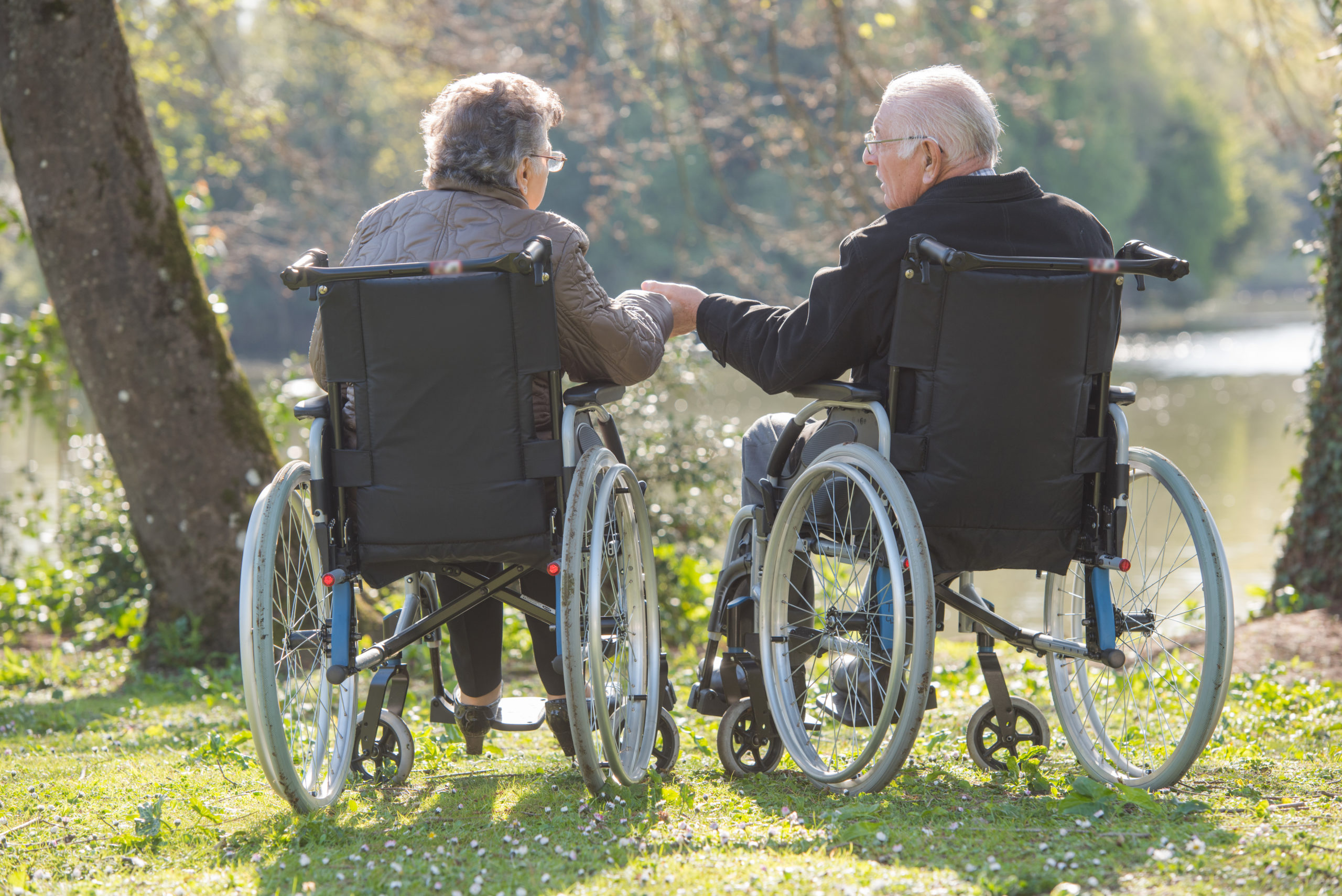
How can we reduce unnecessary hospitalizations and at the same time provide safer care for elderly people with multiple illnesses? In Region Uppsala, the Elderly Care Unit and the Mobile Community Care Team have become an example of how close care can work in practice. Sirona has been tasked with analyzing the medical and health economic results of the activities and making recommendations for further development as part of the transition to close care.
The Elderly Care Unit model was recently highlighted in Dagens Medicin as a successful example of how unplanned hospitalization for the elderly can be radically reduced. Behind the results is an approach where doctors work closely with the municipality's home care services to offer continuous care in the patient's home - instead of emergency interventions in hospital.
Sirona analysis: reduced care consumption and increased collaboration
Sirona's analysis showed that the Elderly Care Unit and the Mobile Team contributed to a clear effect in the form of reduced consumption of unplanned inpatient care among patients. For example, the number of unplanned inpatient days was reduced by 65% and the number of visits to the emergency room was reduced by 47% for the target group listed with the Elderly Care Unit. Sirona's analysis also highlighted the importance of strengthening collaboration with all services, including the emergency department and primary care, and the need for a simpler, more uniform entry point to care for both patients and referrers - something that is central to the transition to local care. The health economic analysis showed that more personalized and proximity-based care frees up significant financial resources and significantly reduces costs, as it relieves pressure on both emergency departments and hospital wards. At the same time, patients experience better and more coherent care.
In a separate project procured by Uppsala Municipality, Sirona also conducted a health economic analysis to analyze in depth how the municipality's costs are affected by Trygg Hemgång. This analysis also showed major health economic gains for the municipality.
"A holistic approach is essential"
This is how Sirona's Marit Vaagen comments on the results:
- Sirona's analyses for several regions, both large and small, show the importance of taking a holistic approach when introducing new forms of care. Hospital at Home, mobile teams and elderly care units have become buzzwords in recent years, but in some cases our analyses show that these new forms of care increase overall costs instead of contributing to a balanced economy - and that they can also lead to sub-optimal allocation of scarce skills. This often happens when new forms of care are added on top of existing structures, without reviewing the overall health system and patient flows across organizational silos. A holistic perspective on patient benefit, medical outcomes and health economic impact is essential to realize close care and meet the challenges of the future.
An example of transformation in practice
The example from Region Uppsala shows how new ways of working based on patient needs - and not organizational boundaries - can have a real impact. This applies to both the capacity of care and the quality of life of the elderly. With a clear mission, collaboration in practice and a focus on prevention, more regions can achieve the same results.
👉 Read the article in Dagens Medicin
Want to know more?
Contact Marit Vaagen, CEO and Senior Expert at Sirona.