
"Digitalization enables equal access to care"
We have only seen the beginning of the digitalization of healthcare. Maintaining high quality in the future will require streamlining the entire healthcare system. Sirona offers new and updated digital solutions as a key component for success.
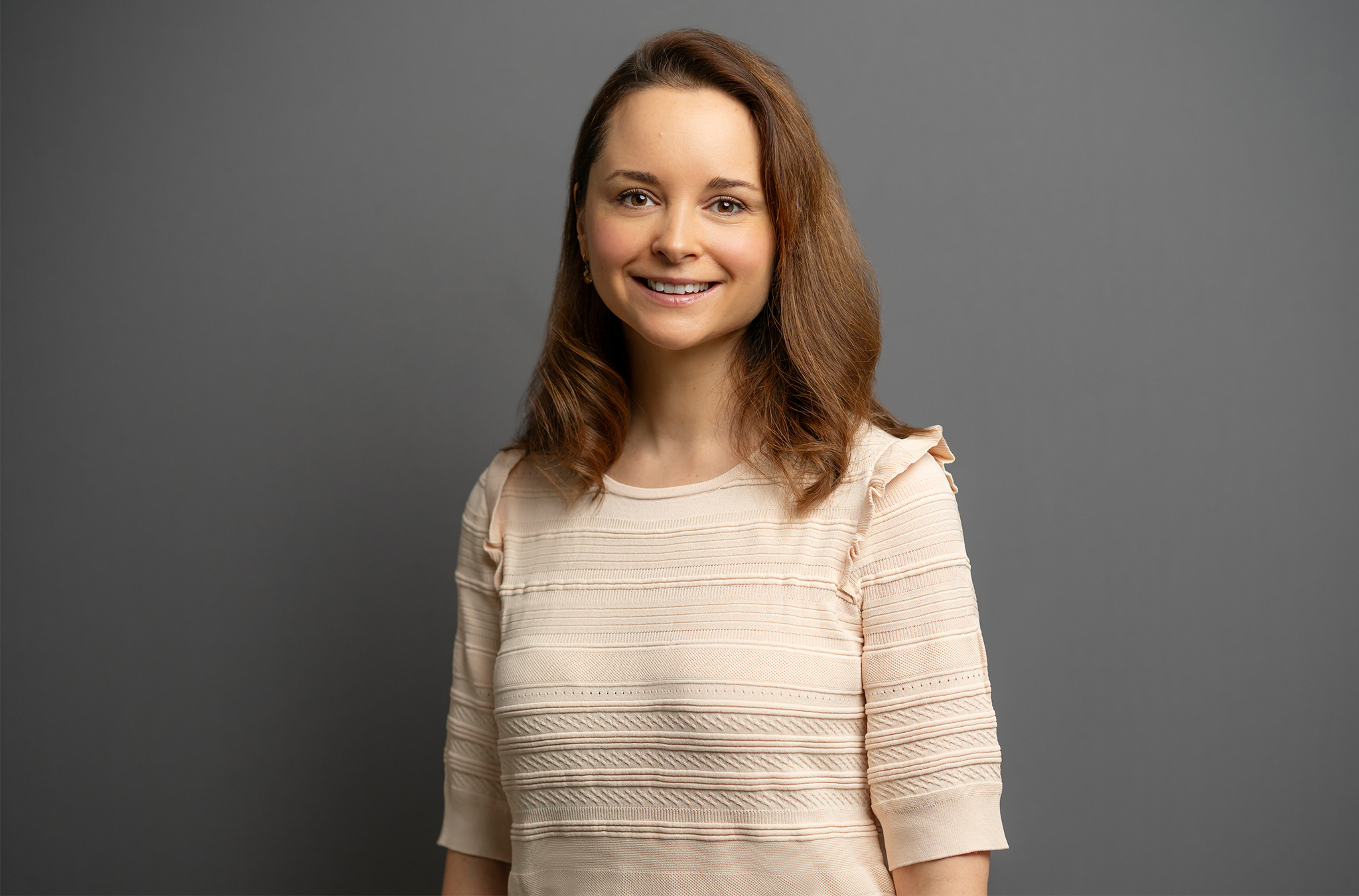
Sirona's Mattias Lindberg and Cecilia Ringheim, both specializing in digitalization, talk about how healthcare can develop in the future.
What are the benefits of digitization for healthcare?
- With digitization, we can create a modern healthcare system that enables equal access to care for all residents and at the same time create the conditions for people to be active co-creators and participants in healthcare. Healthcare information and data can be scattered among different healthcare providers, providers and systems, and when these efforts can exchange information in an efficient and patient-safe way, a benefit is achieved by making the information available to the right person at the right time. "The concrete benefits of digitization are increased patient satisfaction, increased quality and safety, and a better working environment for healthcare professionals through less administrative burden," says Cecilia Ringheim.
What challenges does digitalization bring?
- The main challenges are to ensure successful implementations of health information systems that are currently underway, linked to this are issues of how to make different systems share information in a patient-safe way. When it comes to the use and sharing of health and care data, there are major challenges with legal aspects and privacy issues. Many of the challenges related to the digitalization of healthcare are also linked to change management and adapting ways of working. The work does not stop when the implementation of digital solutions is completed. It is an enabler for efficiency, but it is also important to adapt working methods," says Cecilia Ringheim.
What has digitalization contributed to better care?
- Very significant progress has been made in IT and digitalization in Sweden, which has also accelerated during the pandemic. Digital solutions and health information systems in regions and municipalities are creating the conditions for a more efficient care chain. Solutions such as ASIH (advanced home care) and video meetings to carry out complex care interventions mean that care can be provided remotely without compromising patient safety or other quality aspects," says Mattias Lindberg.
What does the future of healthcare look like?
- The vision for the future of healthcare is to solve interoperability issues for a seamless flow of residents and patients between regions, but also at the international level within the EU, by creating conditions for the smooth and secure exchange of information. The vision is also to be able to use health data in a way that enables prevention on equal terms for all residents regardless of socio-economic group, level of education and the like," says Mattias Lindberg.